
It is more than natural to use social media to research our next holiday. Many of the posts on our feeds are of people showing off their latest travel destination, with picturesque photos of idyllic landscapes, and delicious food. However, with the rise of social media, comes the question of whether or not its influence on tourism is truly positive. Do the benefits outweigh the costs?
The tourism industry is increasingly digital. According to recent research, around 75% of travellers are inspired to visit a specific location based on what they have seen on social media. Furthermore, much of advertising done by travel brands is now done through social media, especially on Facebook and Instagram. I am sure that many of us, when looking at our previous holiday, can admit that they were influenced by social media as to where to travel to. Personally, my recent travels to Prague were indeed, if not decided by at least encouraged by the videos I saw of the city on social media platforms such as Instagram and TikTok.
Social media can help people discover places that they otherwise might not have visited. Videos about so-called “hidden gems” often gain a lot of internet traction, leading to a huge boost in popularity. This can be incredibly beneficial for small local businesses, who – if featured in a popular influencer’s content – can experience a surge in customers and followers.
However, the virality of these videos has negative consequences. For example, in the Lake District over the last few years there has been an influx in tourists who have been inspired to visit by social media. However, unlike some tourist destinations where you can be relatively unprepared and still stay safe, the Lake District, with difficult mountains to hike and changeable weather, being unprepared is much more dangerous. The rescue teams in the area have experienced many more preventable callouts in recent years, caused by people wanting to visit something they saw on social media, and not planning how they are going to do this safely.
One example of this is the Buttermere ‘Infinity Pools’ – a beautiful wild swimming spot, but one that requires a hike in order to reach it. Just this summer, I was in Buttermere, and two women approached my family asking if we knew how to get to these pools. The only research they had done was looking at a single post on Facebook, and had no idea where they were going, or that it was going to be an hour of walking to get there.
This is one of the dangers of social media motivated tourism – there is a lack of research, which in places that can become dangerous, such as in the Lake District, is important to do for yourself.
Social media can also lead to overtourism. Places such as Castle Combe in the Cotswolds have become overrun with tourists after multiple videos have gone viral framing it as a quintessential, picturesque British village. However, with this comes crowds of tourists, and local people who moved to these villages for a quiet life, find their peace disrupted.
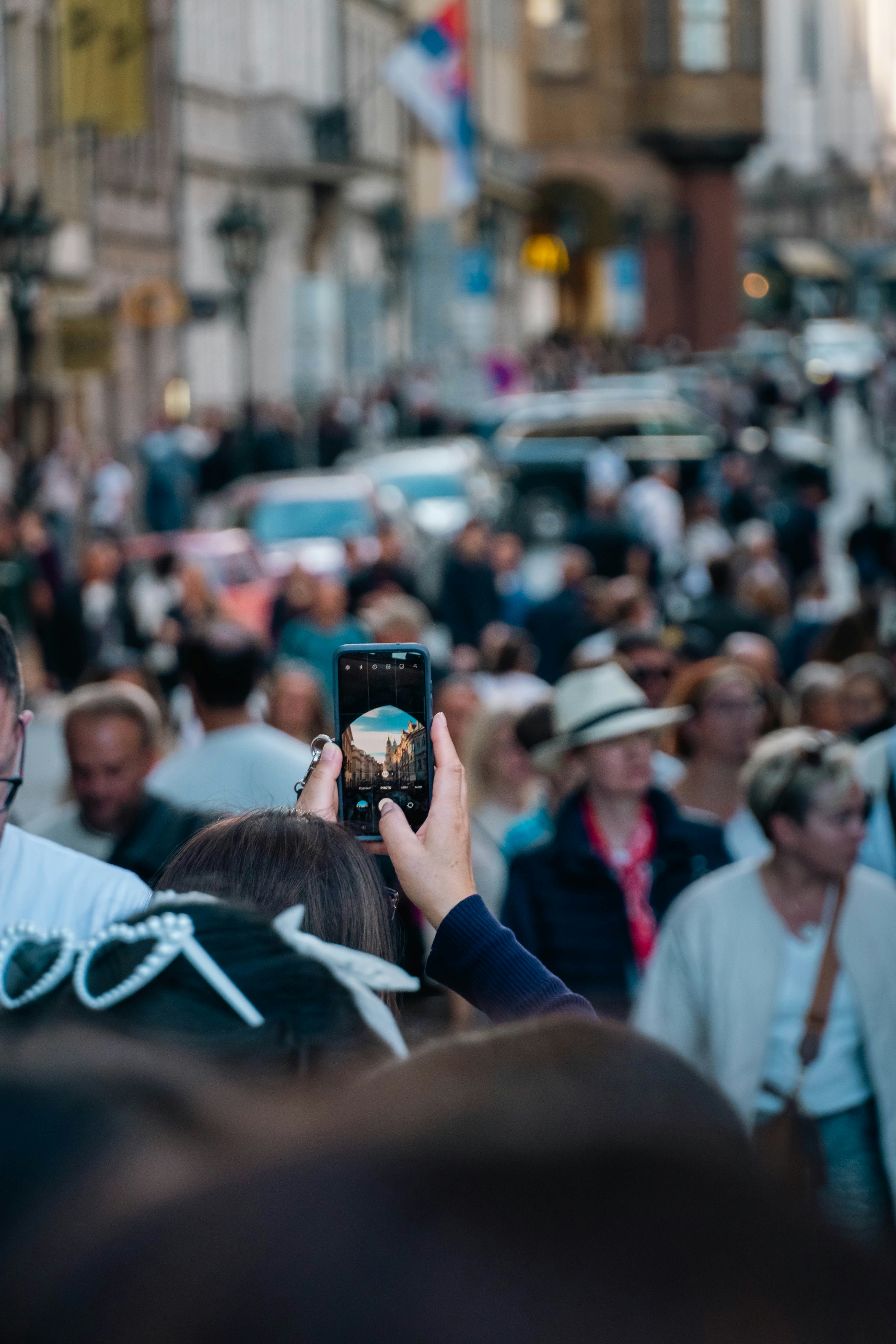
Even more conventional tourist destinations are becoming increasingly busy. When I visited Prague in September of this year, many of the places that I had seen online as the spots to visit were incredibly busy. The Astronomical Clock was surrounded by huge crowds every hour when it would chime and its mechanical components moved. A restaurant that I had seen praised many times on Instagram and Tiktok had a long queue out the door.
This raises the question of whether these crowds ruin the experience of visiting somewhere new. And if this is the case, is it social media that is the problem, or the people using it as the way to do all their research?
My takeaway from this is that when visiting somewhere new, while social media can be a useful starting point, to truly have an authentic experience travelling, you should do research outside of watching the first three videos to come up on your For You Page.
Image credit: Reza Madani via Unsplash