
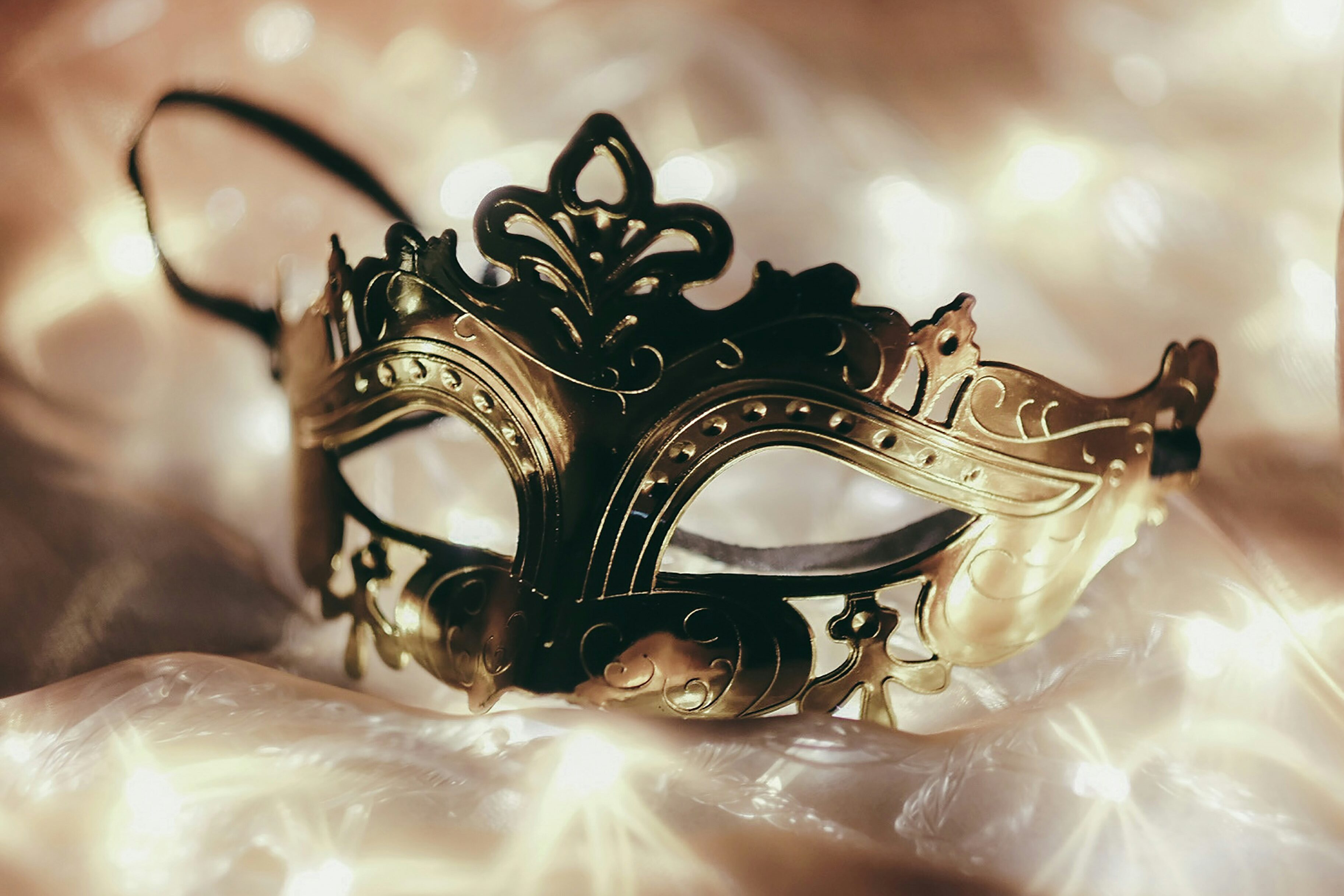
Before the great plays of the Restoration and centuries before audiences crowded into the auditoriums of the West End and National Theatre, Britain’s most spectacular theatrical form was unfolding not on public stages but in courtly palaces. There, amongst candlelit halls, lavish costumes and extravagant stages, courtiers danced alongside gods and monarchs appeared as mythical heroes, all while politics was transformed into spectacle.
Known as the masque, this uniquely British blend of drama, music, dance, poetry, and visual opulence dominated court culture during the sixteenth and early seventeenth centuries. Famous playwrights, including Ben Jonson, and designers, such as Inigo Jones, created elaborate productions that celebrated royal power while simultaneously pushing the boundaries of theatrical innovation. Yet while other forms of European courtly entertainment evolved into long-lasting traditions such as ballet or opera, the masque has largely vanished from our public memory.
Even though masques are no longer performed, elements of them can still be found throughout British theatre, from examples in Shakespeare’s late plays to modern immersive productions and musicals. The tradition does, however, carry a much more troubling legacy, reflecting the elitism, racial attitudes, and social hierarchies of the society that produced it. Far from simply being a historical curiosity, the masque offers us a window into how theatre has been used to entertain, persuade and project power.
Watching a masque was very different from attending a modern play. An evening might begin with a poetic prologue, followed by an anti-masque: a comedic chaos with grotesque characters, mischievous dances and scenes of disorder performed by professional actors. Suddenly the mood would then shift. Masked courtiers would emerge to music as elaborately dressed gods and heroes. As the spectacle unfolded, chaos would give way to harmony, symbolising the triumph of virtue over vice, order over disorder. The evening would then end with the revels, with performers dramatically unmasking, stepping down from the stage and drawing spectators into dance alongside them. A final dance would then be performed as the masquers parade out, dissolving the illusion and concluding the story.
To modern audiences, this may seem no more than extravagant court entertainment. Yet in the early seventeenth century, it occupied a unique position at the heart of political life. The costuming, mythological narratives, music and audience participation, allowed the court to express its political and ideological identity as well as advice a ruler. It was entertainment, propaganda and political performance all in one.
Unlike public theatre of the time, which was open to paying audiences from a range of social backgrounds, the masque was an exclusive event attended by and performed by courtiers, aristocrats, diplomats and foreign ambassadors. Queen Anne of Denmark, the wife of James I, famously took part in several masques as did her son Prince Henry. These representations transmitted underlying messages that the ruler was ordained by God, that they were virtuous, heroic and wise.
Many of the works of Ben Jonson and Inigo Jones clearly demonstrate this political function. Jones’ innovative stage machinery created moving scenery and breathtaking visual effects, while Jonson’s texts celebrated stability and royal authority. Together they transformed political ideals into experiences designed not only to persuade audiences but overwhelm them. Yet the masque’s close association with the wealthy and privileged would ultimately lead to its end. As tensions between Crown and Parliament intensified, the expensive spectacles came to symbolise the entitlement and excess of the Stuart court. Following the execution of Charles I and Oliver Cromwell’s puritan protectorate, the world that had sustained the masque began to disappear. The genre never truly recovered.
The contemporary significance of masques can be clearly seen in the works of William Shakespeare. Although Shakespeare never wrote a court masque in the style of Jonson, several of his later plays reveal a clear engagement with the form. The clearest example of this appears in The Tempest in Act IV, Scene 1 in which Prospero stages a pageant featuring the goddesses Iris, Ceres, and Juno to celebrate the marriage of Miranda and Ferdinand, ending the celebrations with the line ‘Our revels now are ended.’ Cymbeline and The Winter’s Tale also involve spectacle, ceremony and moments of theatrical wonder. These plays, and many of his others, show how Shakespeare adapted courtly spectacle for the public stage, helping to preserve the masque even as the tradition itself declined.
Our revels now are ended.
The Tempest – Act IV Scene 1
The masque’s message could, however, also be exclusionary. Despite the artistic innovations, masques also reflects the prejudices of early modern society. One of the most controversial examples is The Masque of Blacknesse (1605), written by Ben Jonson and performed by Queen Anne of Denmark and her ladies-in-waiting, who appeared in blackface makeup. The production drew upon contemporary ideas about race, beauty, and civilisation, presenting whiteness as an ideal to be attained. While these representations reflect attitudes common among Europe’s ruling elite at the time, they now provide us troubling insight into the racial assumptions embedded within early modern European culture.
Moreover, many productions linked royal authority with divine order, leaving little room for questioning social hierarchy. As England expanded its overseas ambition, some masques celebrated imperial power and national superiority. Beneath its spectacle the masque served as a powerful tool that reniforced privilege, excluding marginalised voices. The stories it told helped to legitimise European dominace and the subjugation of minority groups.
Although the masque has disappeared as a distinct theatrical form, many of its defining features continue to shape British theatre today. Its fusion of drama, music, dance, elaborate costumes, and visual spectacle can be seen in everything from West End musicals to large-scale productions by the Royal Shakespeare Company and the National Theatre. Modern audiences might not gather in princely palaces to watch mythological pageants, but they continue to be drawn to performances that combine multiple art forms into one single immersive experience. Contemporary companies such as Punchdrunk still place audiences at the centre of carefully constructed worlds blurring lines similar to those the masque did with audience interaction.
The masque ultimately vanished with the court culture that sustained it, but it never truly disappeared. From Shakespeare’s late romances to immersive theatre and modern spectacle, its legacy continues to shape British performance. The masque may be lost tradition, but it remains hidden in plain sight. To see the reminants of it today, visit the Banquetting House, the only remaining building of Whitehall Palace, in London.
Image: Julio Rionaldo on Unsplash