
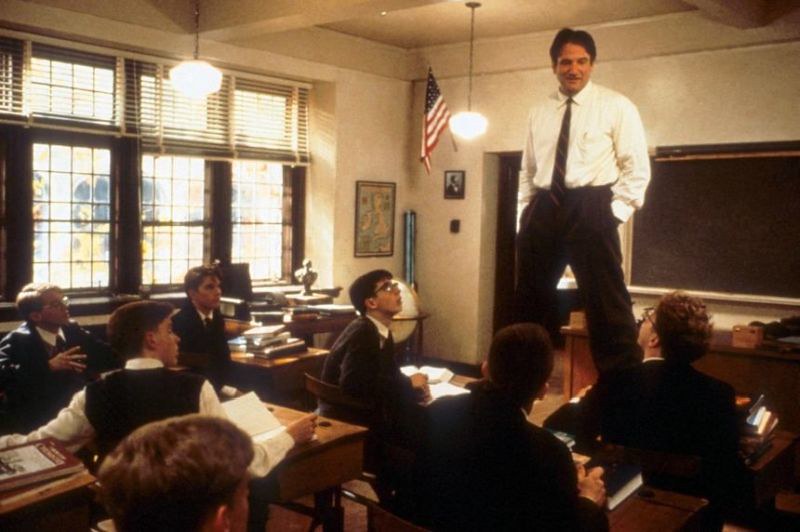
When we start – A Throwback?
Every decade in film was hyperfixated on a genre, and it lived to milk the profit of it till there was nothing left of it. There was the rom-com streak of the 90s and the overload of musicals in the1950s and 60s. If you wanted to feast your eyes on the staples of the genre, you only had to flick back through the catelogue and find the decade. The 80s film scene was dominated by the Spielberg ones and the box office summer hits; everything felt like a hightened fever pulled straight out of a poster and accompanied by popcorn and soda. And audiences in the flocks lined to taste the adventures of Marty McFly and Ferris Bueller and anything that featured The Brat Pack. When the 60s had the musical and the American Dream, the 80s had its mind fixed on one thing. The coming of age.
These kids of America – A Groundbreaking and Selective Narrative
The coming of age story was something straight out of America; everything felt like a snapshot straight out of the postcard at the airport, with skyscrapers and the suburban mania of the American Dream. This is at least, partially the truth. Many of the films that arrived on screen depicted the class and wealth disparities of the American suburbs and town; everything from Coppola’s The Outsiders and Reiner’s Stand by Me captured these issues all the while focusing on ensembles of teenagers and adolescents who were trying to find their way in a world that was set against them. Even Ferris Bueller’s Day Off and the staple Brat Pack feature with soundtracks and careless dancing carried the pressures thrown at the kids. The coming of age genre is revolutionary for giving audiences stories about kids, who were put in the spotlight. This switch of focus was a sign that the kids were being listened to.
However revolutionary the genre was, it still had issues that carried itself across the decades. Most of the coming of age films that became box office darlings and genre staples lacked diversity and were led by predominantly white ensembles. The 80s blockbuster was riddled with harmful racial stereotypes and this effectively bled into the crux of the coming of age genre. While the John Hughes Brat Pack flicks are remembered for teenage rebellion they are also known perpetuating harmful racial stereotypes. The genre failed to reflect on the reality of America; a country that at the time, was undergoing significant political and societal changes.
The Boys will Cry – To Cameron Frye and Todd Anderson
Boys don’t cry is a sentiment scattered across the planes of literature and film. Yet, audiences saw something different with the depiction of boys on screen. There was the Judd Nelson archetype of the boys in anger and Bueller who was careless and charismatic. But audiences also saw Todd Anderson and Cameron Frye and The Breakfast Club’s very own Andrew Clark. They were boys who were discarded by their parents in favour of older brothers and money. These emotions were expressed by characters from every background; audiences saw it in the Welton boys of Dead Poets Society, they saw it in Ponyboy and The Greasers of The Outsiders. They cried, rebelled and called out the systems that struck them down; with fists raised in the air, poetry and novels.
The genre looked at masculinity with a surprising amount of nuance. There were athletes but there were thespians and poets and storytellers. However, this idea of masculinity was only reserved for characters who came from a level of privilege. Characters like Todd, Neil and Charlie from Dead Poets Society were students of a private boarding school; who were hailed for being romantics and unhinged saxophonists. On the other hand, Ponyboy and Gordie, who came from working class backgrounds were seen as less masculine for having the same interests in writing.
And while the genre delivered a more nuanced look at masculinity, its attempt at depicting femininity was…half-hearted.
Make overs and Love (Interests?) – From Allison Reynolds to Chris Noel
While writers and producers tried their hand in writing compelling boys and young male character, they didn’t necessarily extend this graciousness to the girls and young women of film. They would start as interesting and compelling characters, with something to give, like Allison Reynolds before mellowing into love interests with the designated make-over. Some characters would start off as love interests with little to no personality, and if they had personality it was linked to something stereotypically feminine like cheerleading or being fashionable. While Dead Poets Society featured carefully written teenage boys who challenged masculinity on screen, its attempt at writing women and teenage girls is lack luster; Chris Noel is paired off with the boy who stalks her and assaults her and Ginny Danbury was entirely written out of the film prior to its theatrical release.
While bromance took over the screens, the idea of sisterhood or female friendships were rarely seen on screen. In Ferris Bueller, the teenage girls ranged from the angry sister to the girlfriend of the film’s titular character. Teenage girls barely appeared on screen and when they did they barely shared a conversation with each other. Most of the time, they were being forced into unnecessary relationships with a male leads, for the purpose of a crowd pleasing happy ending.
We keep going back – Why we still love the coming of age
Film clubs rewatch The Breakfast Club and the heart of French theatre has seen the success of LE CERCLE DES POÈTES DISPARUS (the French language adaptation of Dead Poets Society). Audiences still go back to these stories and they will wait in line to see how far the genre has come; they will wait for Lady Bird and Juno esque stories about young women. And audiences will always hang onto the 80s nostalgia with the coming of age crazes of television shows like Gilmore Girls and Stranger Things.
Maybe there is something cathartic in the films or maybe they give audiences a chance to relive their own teenage misadventures. Whatever the case maybe, the coming of age film has changed; from the various adaptations of Little Women and retellings of Pride and Prejudice (The Other Bennet Sister anyone?). The coming of age story, once dominated by the stories of teenage boys is now being taken over by female narratives, everything from the love lives of Belly Conklin and Lara Jean to the unhinged schemes in Bottoms and Booksmart.
From time travel to singing in the bleachers and phone calls from God, the coming of age film has gone from romances to one off roadtrips. And while the genre has somewhat died out, we are yet to see what the genre will have in store this time.
Image credit: Giffoni Experience 2015 via flickr