
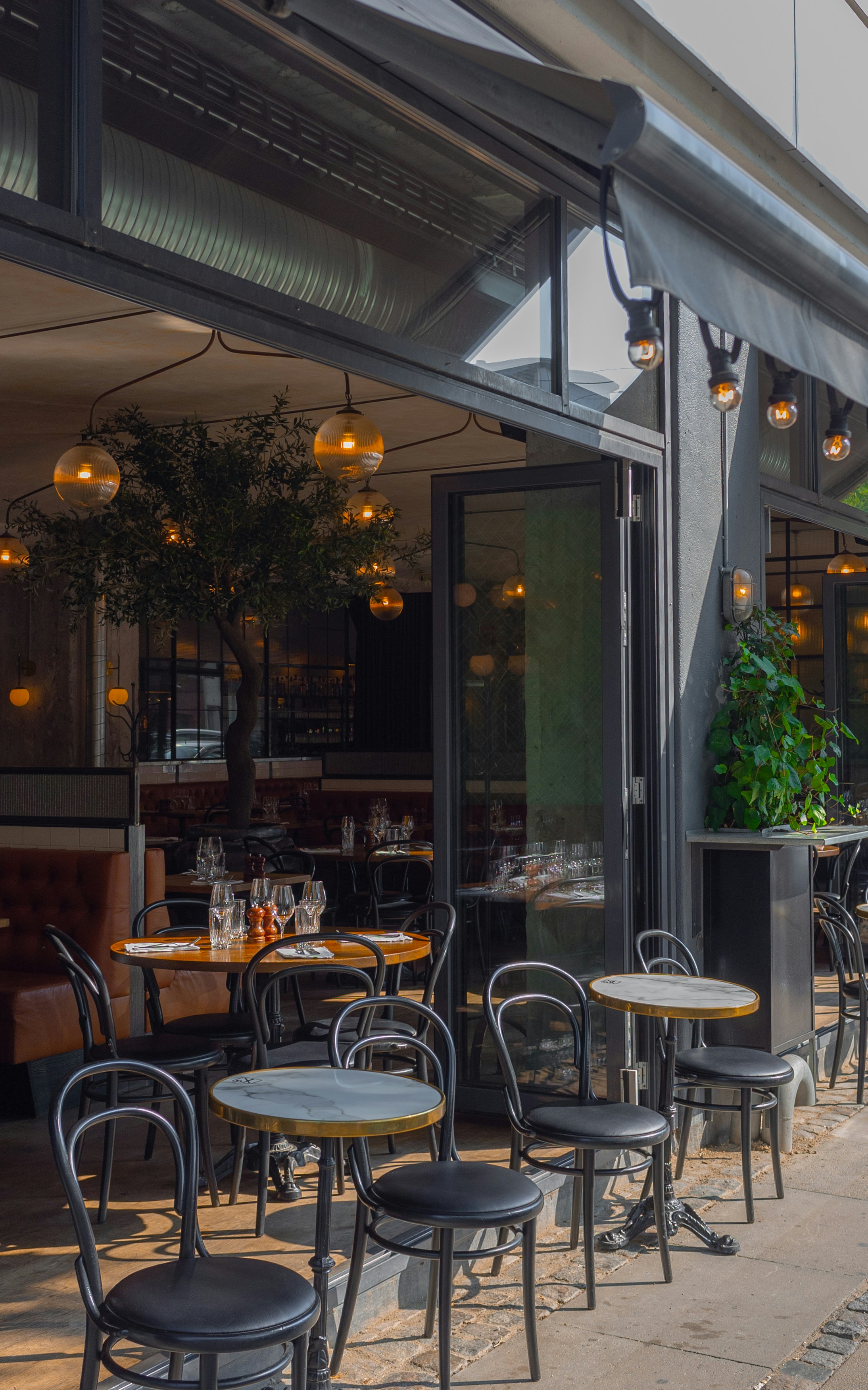
A third space is a social environment outside home, work, or school.
This includes cafés, pubs, libraries, parks, and community centres.
A shortage of these can contribute to poorer mental health, especially in young people. The disappearance of these spaces isn’t simply about businesses closing. It’s about the gradual erosion of the physical infrastructure that makes everyday social interaction possible.
Across Britain, libraries, youth clubs, pubs and other community facilities have faced closures, reduced funding and growing financial pressures. The reasons vary, but together they point to a society where opportunities for spontaneous, face-to-face interaction are becoming less accessible.
One significant factor is the financial pressure facing physical spaces. Independent cafés, shops and community venues must contend with rising operating costs, rents and the challenge of remaining commercially viable. Unlike larger chains, independent establishments often have less financial flexibility. As a result, spaces that once encouraged customers to sit, socialise and spend time without necessarily spending much money can become increasingly focused on maximising revenue.
Public funding cuts have created another challenge, particularly for spaces that do not operate on a commercial basis. Youth clubs, libraries and community centres often depend on local authority funding to remain accessible. Research published by the Department for Culture, Media and Sport found that real-terms spending on youth provision in England fell from approximately £1.06 billion in 2011 to £408.5 million in 2021. Over the same period, the average number of youth clubs supported by individual local authorities fell from 14 to eight. These are not simply reductions in public services; they represent fewer opportunities for young people to socialise outside the structured environments of school and home.
Digital technology has also changed the way we maintain relationships. Social media and messaging platforms make it possible to remain connected without physically sharing a space. For younger generations in particular, online interaction has become an established part of everyday social life. Recent government research into young people’s experiences found that they were more likely to communicate with friends online daily than meet them in person daily. Although digital communication can strengthen existing relationships, it may also reduce the need to leave the house for casual social interaction. The convenience of online connection raises an important question: are we becoming better at staying connected digitally while becoming less accustomed to connecting physically?
Ultimately, the disappearance of third spaces reflects something larger than changing consumer habits. It raises questions about the kind of society we are building and whether community is becoming something we must actively organise, pay for or schedule, rather than something that naturally develops through everyday encounters. If the places that bring people together continue to disappear, we risk losing more than convenient places to spend an afternoon. We risk losing the ordinary interactions through which communities are formed.
Photo credits: Mihai Moisa via Unsplash