It was any other evening after a long day of lectures. Curled up on a sofa watching reels, I came across a short – like many I’d seen over the past few months – of another Twitch streamer reacting to a cutscene from the Game & Steam Award nominated Dispatch.
This stuck with me in a way that short-form videos often don’t. The streamer said that he had thought that Dispatch was a show and not a game, being surprised by the inclusion of a quick time event in the clip.
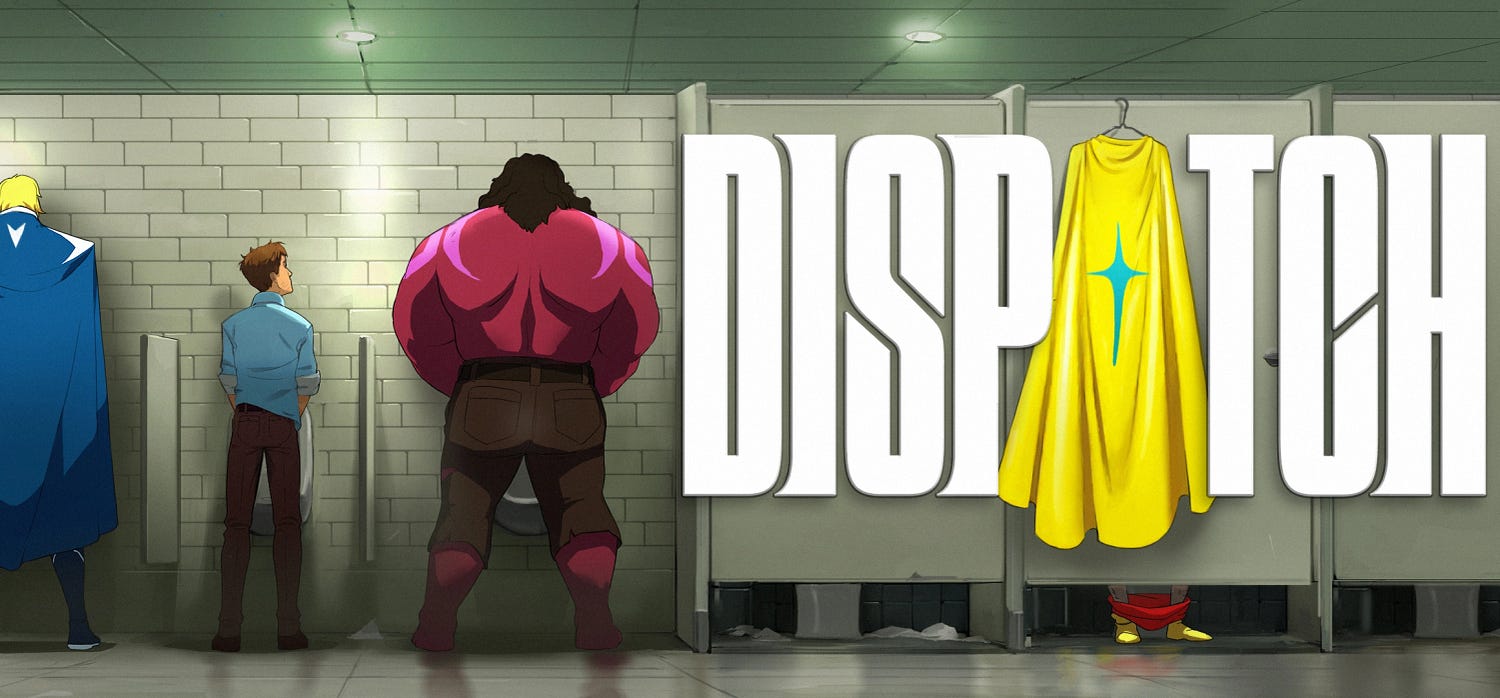
Dispatch is a choose-your-own-adventure game by AdHoc Studios, a studio born from the ashes of Telltale Games and backed by ‘Critical Role’, a popular DnD web series composed of professional voice actors. The game centres around Robert Robertson (Aaron Paul), an Iron Man-style superhero who, at the loss of his Mecha Man suit, is head hunted to work as a call handler at the Superhero Dispatch Network (SDN), where the player must assign a cohort of Z-list heroes to crimes across the city.
Critical Role’s support doesn’t end financially; every cast member offers voice work to the game, most crucially Matthew Mercer as the masked villain Shroud, and Laura Bailey playing Invisigal, a central character to the plot and one of the two romantic interests alongside the player character’s boss Blonde Blazer. The game’s other voice talent reflect its heavy involvement in, and targeting of, online communities, with heroes played by Jacksepticeye (Punch Up), Yung Gravy (Golem), MoistCr1TiKaL (Sonar), and Alanah Pearce (Malevola) just to name a few.
The internet was a key player in Dispatch’s success, with the game selling one million copies in the first ten days alone, thanks to, among other things, a mobilisation of several influencer communities. Alongside an episodic model which kept people talking week on week, making creators’ content synchronous and exciting.
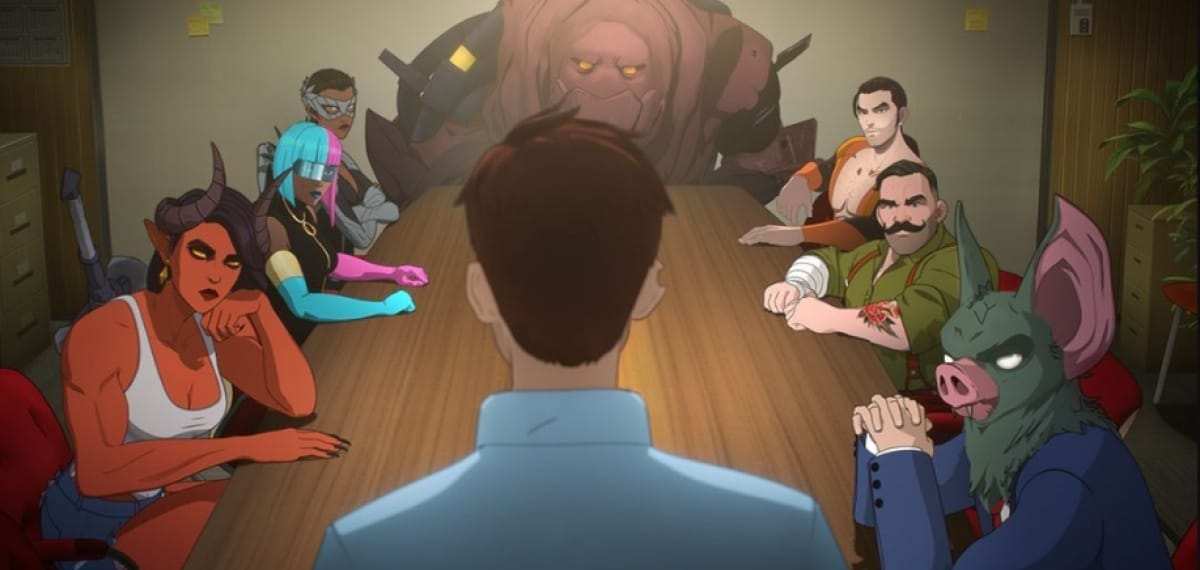
Dispatch’s many ties with the wider internet content ecosystem made the phenomenon I’d noticed more potent. Of course this person didn’t have the full picture about what Dispatch was, neither did I. Much like other media packaged into the endlessly scrollable vertical box we all have in our pockets, people will have seen the ‘best bits’ of Dispatch without ever having to think about what they were looking at.
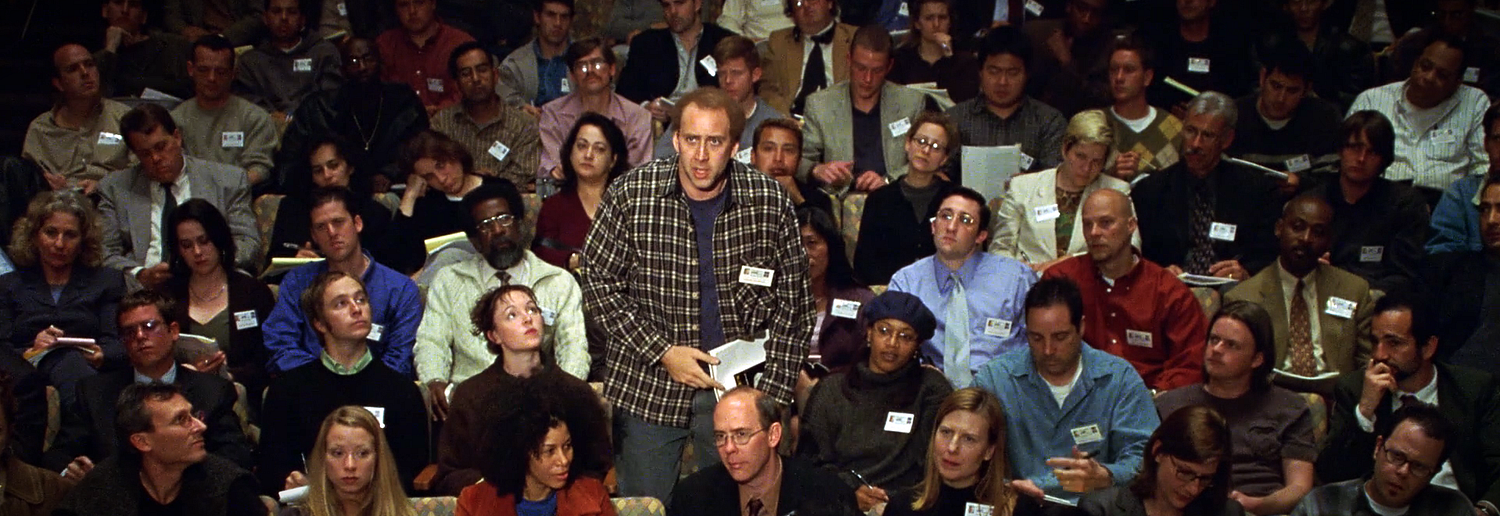
I recently watched Charlie Kaufman’s Adaptation. I spent a large proportion of the movie wondering where I had seen the balding, middle-aged Nicolas Cage character before; until the scene where he stands up during a screenwriting workshop to ask a question about how to tell a story where nothing happens, and it clicked. I had watched clips from this film whilst scrolling. A poignant turning point in a cohesive story had been repackaged into a quick thirty-second thought for me to immediately forget.
Suits, It’s Always Sunny in Philadelphia, Young Sheldon, and countless other movies and TV shows have had this treatment since the inception of a YouTube Short in 2021. For all of these, millions will have seen more in clips than of the original show, assuming they’ve seen any.
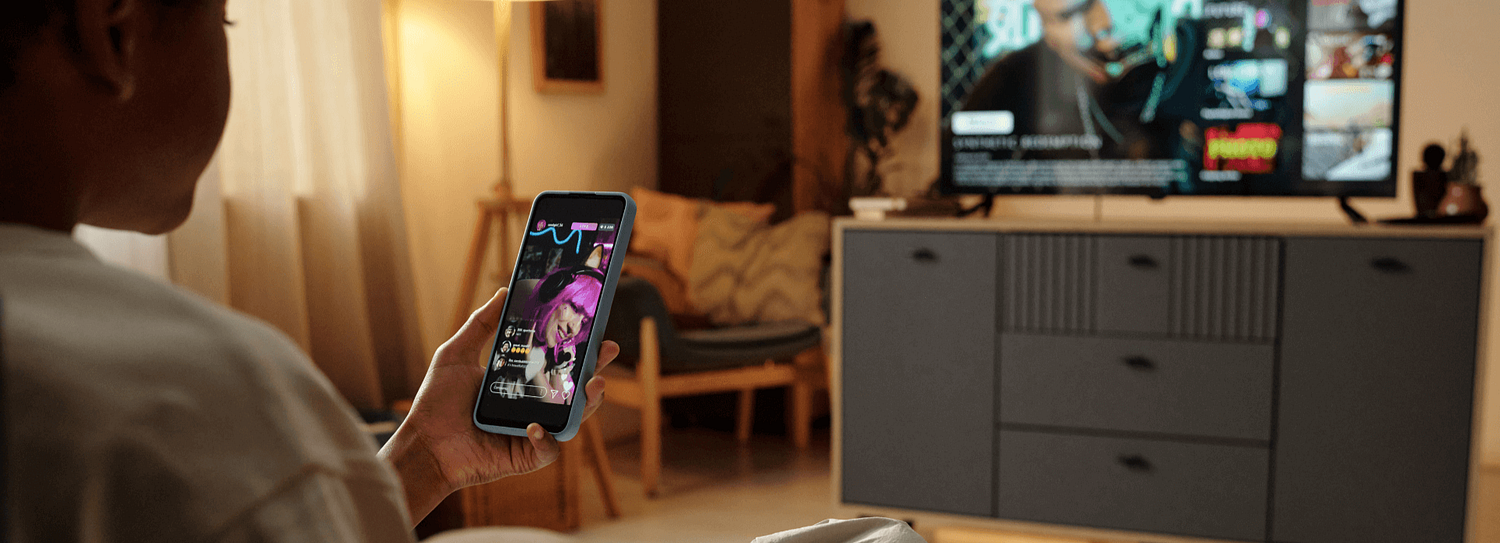
Even if they have been watching along on the big screen, chances are it’s been with phone in hand. Screenwriters for big Streamers are being asked to rewrite their scripts so that people can understand them whilst they have the TV on as background noise for their scrolling, thereby having more complex movies rejected for not being ‘Second Screen’ enough. Short-form content is creating movies where nothing much actually happens, leaving me with the same conclusion that Brian Cox yells at Nicolas Cage in the aforementioned Adaptation. scene “why … are you wasting my two precious hours with your movie?”
Netflix’s adaptation of Richard Osman’s book ‘The Thursday Murder Club’ suffered from the plight of the second screen in a tremendous way, becoming a dialogue-heavy mess forcing a gold-plated cast to repeatedly explain a simplified plot to the audience.

The physical barrier that scrolling creates between you and your TV is paired with recommendation algorithms that make short-form content more isolating. Back when TV only had two channels, people could connect on the shared experience of watching events, from the moon landing to series finales, in parallel. Whereas nowadays, no two feeds are the same. Algorithms favour content that keeps you on the app, which is characterised by videos that make the viewer feel a strong emotion, or more to the point, videos that target the viewer’s niche interests.
Low effort content is not only isolating in how unique the feeds are, but also in how we relate to people we see on them. I recognised two TikTok creators walking the streets of Edinburgh during the 2024 Fringe, and I couldn’t for the life of me remember their names. Short-form is redefining how celebrity, and even the relatively recent parasocial influencer relationship, works. The stronger connections that fans of classical internet celebrities, like those who lend their voices to Dispatch, are being replaced by nameless, fleeting ideas which none of your friends have seen.
In an age of short-form content where it takes more effort to sit through a movie, TV-show, or game for yourself – I put it to you that this effort is worth it, in order to experience the true emotional meaning of the art you’re spending your limited time engaging with.
I have since played and enjoyed Dispatch for myself. This time far slower, horizontally, and with fewer videos of cats.